|
|
GACE Flying Club www.egace.com |
|
|
Feb 2005 |
|
Volume 8 Number 2 |
|
President Alan
Klug --- Sonny
Borowski --- Rich
Raine --- Joe
Leonard --- Doug
Weston --- Mark
Goodman --- John
Blosser --- John
Vahey --- Chuck
Calabrese |
The Left Seat Alan Klug At the last board meeting, we accepted our first new member of
the new year. I hope you will all join me in extending a warm greeting to Robert T Larson when you bump into
him at the airport. Bob is a retired UAL pilot and will continue his flying
activities with our club. As I’m sure you all have noticed the fuel prices have been very
volatile. And, even though the prices have increased again this month, we did
make a bulk purchase back in December when the price was down (thanks to Tony Monoco) and the board saw no
reason for any increases at this time. It would be appreciated, however, if,
when you land somewhere, and the price is lower than ISP, you top off the
tanks. It should be noted that when you purchase fuel away from home at a
lower price, you will use less fuel at home to top the tanks off, thereby
extending the length of time our bulk purchases last. At the January meeting, a committee was formed to “renew” the
office. Painting, perhaps re-grouting the floor tiles, giving them a good
cleaning at the very least, etc. Neil
Gmoser is the primary contact and I hope that he receives your
co-operation and HELP. Given the assistance he needs, our office will be
shipshape again in a short period of time. Remember, when you bring guests,
(as we all do) the office is the first contact they have with our club. We
only get one shot at a first impression.
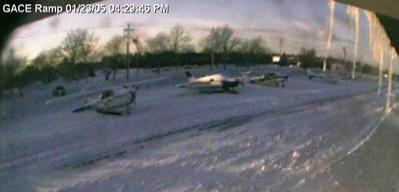
Special thanks to Jeff
MacArthur for all the snow he shoveled. Jeff created the walk way through
the snow from the parking lot to the office. It was over his head where the
plow had been. I was told that TK shoveled out 6PN. Thanks Tom. And to the
people that shoveled out the rest of the fleet, Thank You. If I
find out your names, I’ll print them in the next issue. GACE History
For those of you that are old time members, how many of those
original aircraft can you rembember flying in? By next month, we will have a new article from Bernie and some
more GACE trivia for you to feast upon. Secretary’s Corner Rich Raine Al’s friend, Jim Trusty, an renowned aviation writer sent along
the great article listed below for the benefit of all concerning ramp checks. |
|
|
Instructors John
Blosser (631)
912-0290 Sonny
Borowski (631) 793-6980 John
Brook (631) 368-1901 Rich
Clinton (631) 368-1901 Bernie
Davidson (516 931-7699 Dave
Ferrara (631)874-8492 Frank
Hayes (516) 767-0391 Roy
Mathews (631) 968-0154 Jeff
McArthur (631) 288-6276 Bill
Rudock (631) 874-6155 Rob
Terano (631) 467-4159 John
Vahey (631) 835-6106 Bob
VanSise (516) 695-9001 GACE Flying Cub Phone: (631) 737-6879 |
Ramp Check ãJim Trusty 2004 SOME DOs AND DON'Ts THAT MIGHT
MAKE A SURPRISE MEETING WITH THE FAA A LITTLE EASIER Ramp checks, I am told, are just another way the Federal
Aviation Administration enforces safety.
It is not, I am assured, something that inspectors do in order to make
friends and influence people. And if
you fly far enough and long enough, you will be given the privilege of
enjoying one. Here are some facts
that should help you get through what you will consider an ordeal and the FAA
considers routine. I think the facts
listed below will help both sides of a ramp check. If you have been keeping up with the changes and movements
within the Federal Aviation Administration over the years, you will have to
agree that a ramp check is not the worst possible thing that can happen to
you as you go forward in flight across our beautiful land. In fact, after reading this article you
might be willing to voluntarily undergo one just for your own peace of mind. They even have a program where you can
volunteer to experience this very thing called a P.A.C.E. Program. You might first want to ask yourself why
you would want all this grief, but then you may also want to ask yourself if
you are doing anything wrong that could be corrected by an airplane inspection
and a short checkride. Probably
not. I hope this article will remove
any of the wild and bad things you have heard about ramp checks. 1.
1. ATTITUDE:
Be cool, be confident, don't panic, be polite and cooperative. It's quicker. There is absolutely no way that having a smart attitude is
going to make this meeting go any better for either side. You are a pilot and so is the
inspector. Let’s act like the cool
professionals we are all supposed to be.
2.
2. IDENTIFICATION:
Verify that this person is an FAA inspector and that they have the authority
to check you and your aircraft. This
should be addressed at the very beginning.
I would be reluctant to answer a bunch of questions for a stranger
and, in fact, would probably call the local FAA FSDO and report this
individual if they could not produce proper and immediate
identification. 3.
3. WITNESSES:
If possible, get a witness or two to the entire procedure. The inspector should not complain; it will
protect both sides just in case things are not running as smoothly as either
side would like. It will also give
another pilot a chance to see how this type of inspection is conducted so
they will be better prepared in case they are the next to feel the wrath or
just parked nearby. 4.
4. INQUIRE:
Why the ramp check is being conducted, why you were selected for the honor,
and what they will be looking for. I
think you deserve to know the answer to these questions. If this is a random “witch hunt” then you
have the time to decide whether you wish to participate. If it is a fact finding tour or a training
session for a new inspector, I would worry a little that I was the selected
training airplane. Are they following
some new guidelines (which change with the administration or the weather) or just
passing through and thought they would like to make their presence
known? 5.
5. WARRANT:
None needed, nor any other special paperwork. It's a safety check, remember, protected by regulation and
well-known by you and everyone else in aviation, so be prepared for the
eventuality. I think that if they
presented me with a warrant or any piece of paper with my name and aircraft
number on it, I would run, not walk, to an attorney’s office because the fat
would already be in the fire, so to speak.
6.
6. K.I.S.S.: Keep It Simple, Stupid! Do not volunteer information. You are required to give your name, state
the fact that you are the pilot in command, and provide the required
documents. Just as what they can do
is spelled out very clearly in regulation, your participation should be to
assist and not be the sole provider of information that may be detrimental to
your future flying career. 7.
7. NO!: The inspector DOES NOT have the right to
board your aircraft! But they do have
the right to start an enforcement action on the spot! So why invite trouble? If you have something to hide, now is the
time to call your attorney; if not, let them look. This is a good rule for all involved. It keeps rather innocent things to you from becoming something
so wrong to them. It should also let
you know that the airplane has its uses and its limitations. Be mindful of exactly what you are
ferrying and be prepared, if necessary, to explain to someone of authority
why, what, where, how and who. 8.
8. COURTESY:
Is required and expected from both sides.
Personally, I demand it! This
is a regulated meeting that takes place every single day at some airport in
the 9.
9. PILOT
CERTIFICATE: Inspectors have the right to inspect your license, but NOT keep
it for any reason. While operating an
aircraft in the 10.
10. FLY ON: You cannot be grounded
because of a ramp check of you or your aircraft. But are you willing to continue on your way if something unsafe
has been pointed out to you by an expert?
The FAA cannot ground you for some infraction, but it will be noted if
you leave the runway after a defect is pointed out to you. Should it end in some type of accident,
your insurance company would most probably not pay up because you were, in
fact, notified of the problem in person and in writing at the time of the
ramp check. Finally, please be reminded that both sides are governed by the
rights listed above, BUT for your information, if something wrong is found
during the ramp check, with you or the aircraft, it must be corrected
immediately or further action will most assuredly be taken by the FAA. BIG DEAL! The documents
that are required to comply with the inspector's request are supposed to be
on board at all times anyway: CHART (Current), AIRWORTHINESS CERTIFICATE,
RADIO LICENSE*, REGISTRATION, OPERATING LIMITATIONS, WEIGHT AND BALANCE . . .
Remember CH.-A.R.R.O.W. Your Private Pilot Flight Examiner can do about the same thing
as a ramp check. The Private Pilot
Practical Test Standards states the applicant must exhibit knowledge of the
aircraft documents by "locating and explaining the importance of each of
them." In conclusion, I hope you appreciate the way I have approached
this problem and the advice I have given.
Absorb all this and then check with an aviation attorney if it starts
to get out of hand. A ramp check, if
conducted professionally on both sides, need not be anything more than a
safety check and informal meeting between two pilots that are both seeking
the same end result—better aviation safety for all of us. I’ve always felt I
could do my part and let them do theirs.
What’s your feeling? I’ll see you at the
airport! Always remember, pilots who
don’t fly have no advantage over people who can’t fly. What’s your excuse? Meetings General Membership
meetings are the fourth Monday of the month at 7:00PM. There are no meetings for the summer
months of July and August. The next
member’s meeting will be on Monday,
February 28th. |
|

 Lately,
we have been having a problem with the lock on the gate. The 5 pin is so
worn that the lock doesn’t work. Jet center has ordered a new one. In the
mean time, use the next gate to the east. Same combination. Unless you know
somebody is in the office. Then just use the door bell.
Lately,
we have been having a problem with the lock on the gate. The 5 pin is so
worn that the lock doesn’t work. Jet center has ordered a new one. In the
mean time, use the next gate to the east. Same combination. Unless you know
somebody is in the office. Then just use the door bell.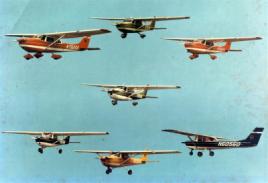 Regretfully
Bernie didn’t have an article for this month’s Newsletter.
Regretfully
Bernie didn’t have an article for this month’s Newsletter.